Posts Tagged acoustic diffusion
Similar, Yet Different: Model C vs. Model D!
Posted by Acoustics First in Diffusion, Home Entertainment, Home Theater, Media Room, Multipurpose Rooms, Music Rehearsal Spaces, Music Tracking Room, Product Applications, Products, Recording Facilities, Recording Studio, Studio Control Room, Theater on January 5, 2024
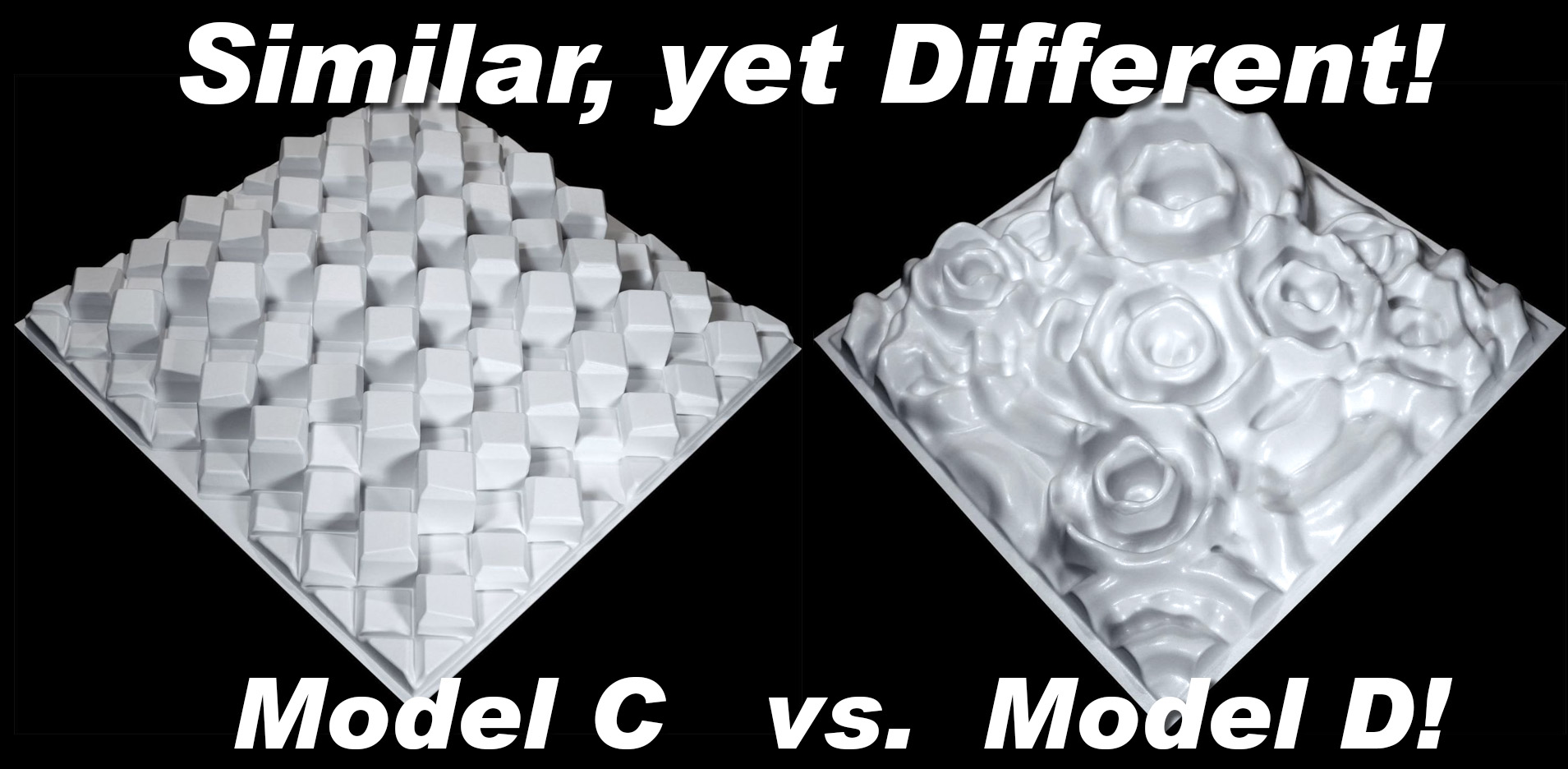
In this installment of “Similar, Yet Different,” we take a good look at two very different looking diffusers in the 2’x2′ size… the classic ArtDiffusor® Model C and the organic, rippled ArtDiffusor® Model D – while there are some similarities, there are some key differences in how they look (obviously) and how they perform.
Quick Similarities.
The ArtDiffusor® Model C and Model D are both 2’x2′ diffusers which are made to be either wall mounted or installed in a standard drop-tile ceiling grid. They are both formed from a Class A fire-rated polymer in a single piece. Both are mathematical diffusers, which create their different physical features in a “form follows function” methodology. They also cover roughly the same frequency bands, with some minor variation in how they execute their control.
Difference in Math
The Model C is an interesting configuration. Often you will see quadratic residue diffusers with flat blocks or wells in a relatively standard quadratic cell formula configuration. The Model C runs in a much different alternating binary configuration. The basic idea is that cells are placed in a 45° array with each cell adjacency calculated as an alternating array of higher and lower cells starting in the middle and working in a pattern of alternating low/high cell clusters decreasing toward the edges of the diffuser. These diffusers also do not have flat tops on the blocks – they are angled at 10°. The orientation is then rotated in 90° steps in a pattern that maximizes the spatial redistribution of reflected sound. This was a vast design departure over the original quadratic design, and created a diffusion profile that was distinctly different.

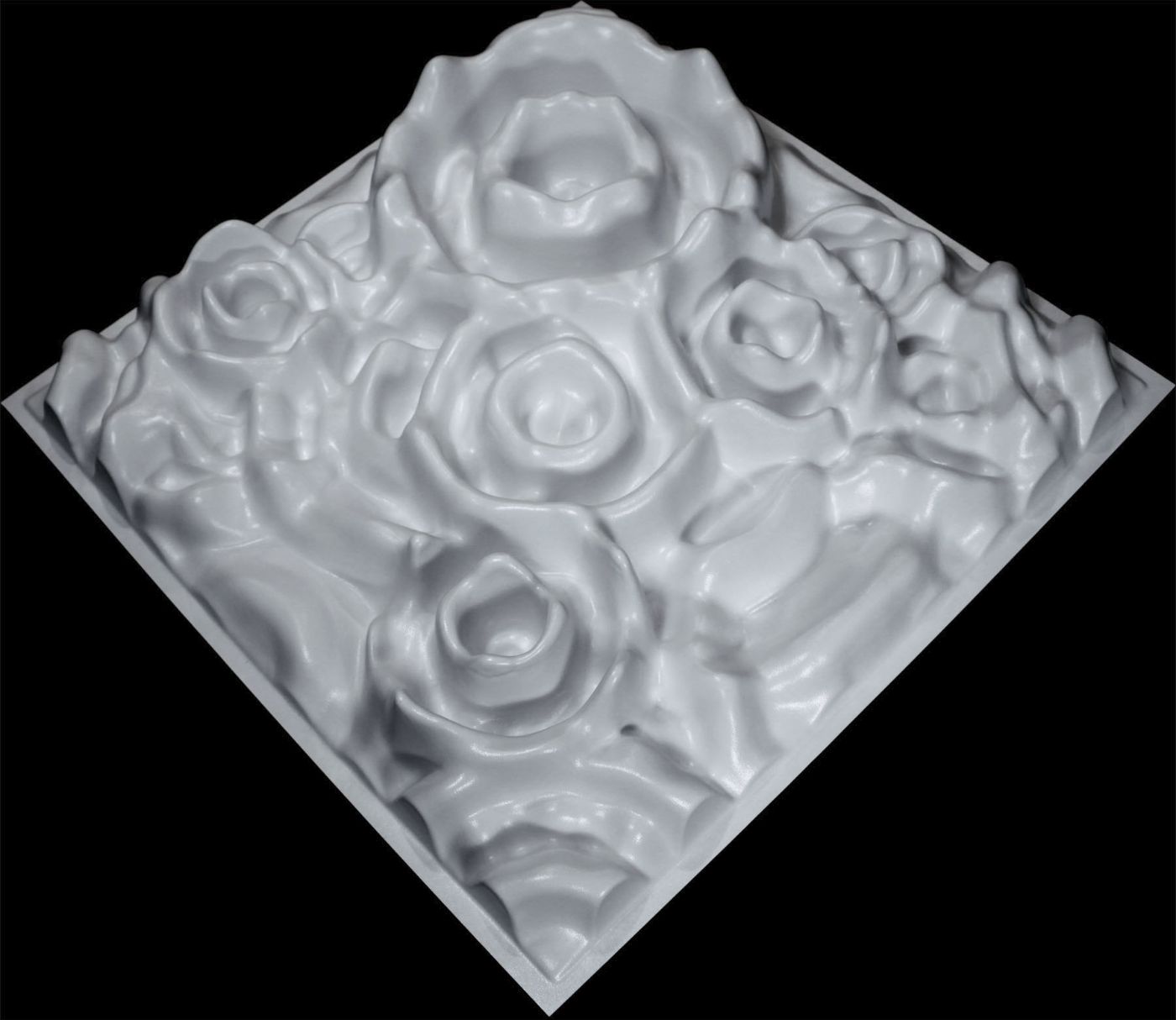
The Model D was an even greater departure. It began with a Maximum Length Sequence (MLS) concept that first changed the varied straight channels into rings of different dimensions. These rings then broke from the MLS mold by getting varied height profiles based on the QRD sequence. As if having different size rings at different heights wasn’t enough… the randomness was further perpetuated through a Boolean process of assigning certain rings a random property that would either add or subtract height from any other ring that they crossed. Finally, the entire surface geometry was smoothed using a bicubic interpolation, creating the organic undulating surface which gracefully spans the entire profile.
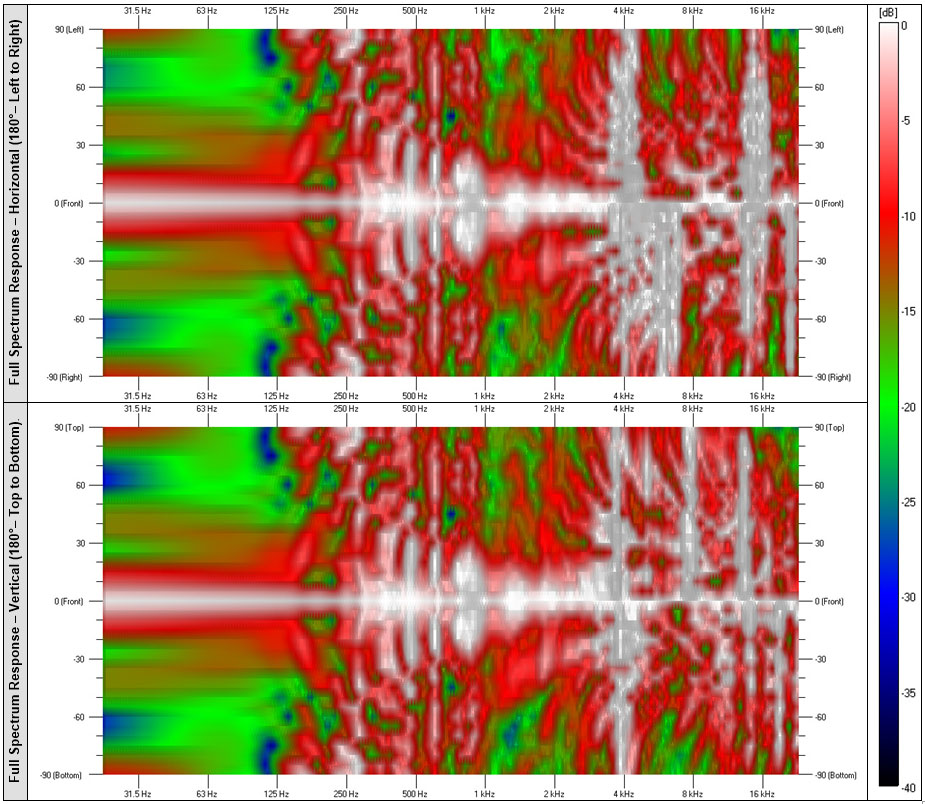
What this difference in math does to the acoustic performance.
The Model C has a nice even diffusion profile through it’s primary working range. This is a product of the QRD design and binary distribution. The set size for the blocks guarantees a solid primary frequency range from about 1KHz to over 4Khz. This tunes the Model C squarely in the most sensitive bands of the human hearing range. Below this range the device becomes a bit of an absorber. Above this range and the performance becomes more effective at intervals, which can be seen in the areas of wide diffusion at 6KHz – 18 KHz. These repeating zones are common in “stepped” quadratic designs. Due to the heights of the well being at specific intervals, the intervals repeat at octaves of their effective bands.

The Model D doesn’t have the same stepping. The spline interpolation and the random Boolean shifts smooth the transition from one quadratic height to the next, and the MLS sequence causes a bit of a high-pass filter pushing the start of the primary range to around 2KHz – which is a little higher than the Model C. The main difference is that once the Model D starts it’s range it diffuses everything up to and over 20KHz without the banding that can happen in other quadratic designs.
Another difference in symmetry.
The ArtDiffusor® Model C is a fairly symmetric design, but it’s 45° angle pushes that symmetry along the diagonal (corner to corner) across the unit. The asymmetry is subtle but allows for enough variation to account for any “lobing” issues that can occur in more simple geometric devices The 10° block faces being at varied orientations is key to increasing the spatial directivity over the older “flat-faced” Quadratics. This was a very novel design when it was first introduced, and those benefits are crucial to the longevity of the Model C’s reign – It just works. It’s predictable and musical… and that’s why it’s here to stay!
The ArtDiffusor® Model D is a completely different animal from the Model C when it comes to symmetry… as a matter of fact… there isn’t really much on it that is symmetric! The Model D was designed as a departure from symmetry. Focusing on the mid to high frequencies, which are very specular, the organic geometry creates an asymmetric reflection pattern. This pattern can be used to steer the sound into a wider field.. and that profile changes with the wavelength of the sound that hits it. This steering ability and the wide frequency range has made the Model D a favorite in mixing and mastering environments, where they can get smooth performance through the entire frequency spectrum.
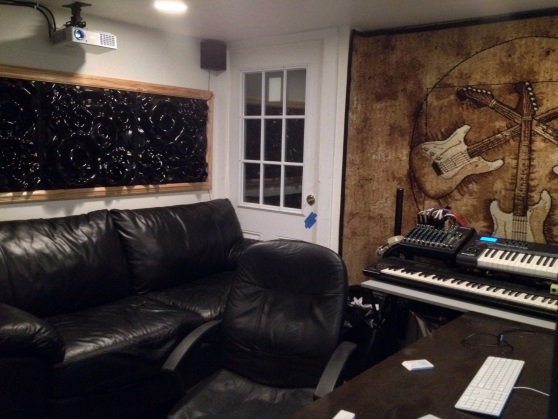
How these differences benefit everyone.
We have stated before that there isn’t really a one-size-fits-all solution in acoustics. Many environments will use various treatments to achieve their desired goals. You will often have different devices to address different problems, in different frequencies, in different locations, in the same space. Bass traps for controlling the lows. Absorption to reduce gross energy across the board. Large geometric surfaces to break up parallel reflections and steer the projection of sources. Mid range diffusers to create clarity to the sources and reduce artifacts. High frequency diffusers to reduce flutter and add a feeling of envelopment and airiness in the space. These devices all have their place – from the smaller listening rooms, to critical listening environments, and large multifunction spaces and venues.
It is also worth noting that these two devices have a very different aesthetic visually. The classic blocks of the Model C have become a signature look for quality sound environments, and people recognize them as they would classic geometric pyramids and barrels. The Model D aesthetic provides a visual accent that people take advantage of to set their space apart from others. The undulating, asymmetric pattern changes drastically when you rotate the individual units in the array. This allows for not only varied acoustic performance, but also a unique visual possibilities – with numerous variations.

The ArtDiffusor® Model C and Model D are two tools that are used to craft ideal listening environments around the world… and in those roles they are indeed Similar, Yet Different.
John Bullard Live Room – Tuning a Live Room for Classical Banjo
Posted by Acoustics First in Absorption, Customer Feedback, Diffusion, HOW TO, Music Tracking Room, Product Applications, Products, Recording Facilities on May 3, 2023
When you think of classical music; what instruments come to mind? Piano? Violin? Cello? …What about Banjo?
In the summer of 2022, classical banjoist John Bullard reached out to Acoustics First for assistance with his newly renovated home-studio. John is one of a select group of classical musicians aiming to showcase the versatility of this uniquely American instrument. The banjo, with John’s expertise, lends a very distinct, melancholy sound to contemporary and traditional compositions.

Having recorded a number of albums already, John knew he wanted his live room to be catered specifically to tracking solo, classical banjo as well as small acoustic ensembles. Acoustics First analyzed John’s live room and came up with a treatment design that would achieve an “ideal-as-possible” acoustic environment for recording classical instruments.
The largely reflective live room had walls comprised of unfinished, reclaimed wood planks over plywood, a drywall ceiling, stone fireplace and a polished concrete floor. The parallel, hard surfaces contributed to a poor tracking environment; with standing waves and “flutter” echoes adding unwanted coloration to recordings, inhibiting music definition.
Spaces used for rehearsing and recording classical music often benefit from elevated levels of reverberation, which add a sense of warmth and ambience to acoustic music. Although the reverb in John’s untreated room was only slightly excessive when measured, it was far from “diffuse”, with the majority of energy coming from early reflections.
The primary challenge in the live room was to address the early specular reflections and standing waves without taking too much “life” out of the room. To achieve this delicate balance, wide band diffusion was recommended as the primary ceiling and wall treatment with selective sound absorptive treatment with fabric-wrapped Sonora® panels.

Double Duty Diffusers™ and Aeolian® sound diffusers were recommended as they would also provide some much needed low-frequency absorption in addition to broadband diffusion.
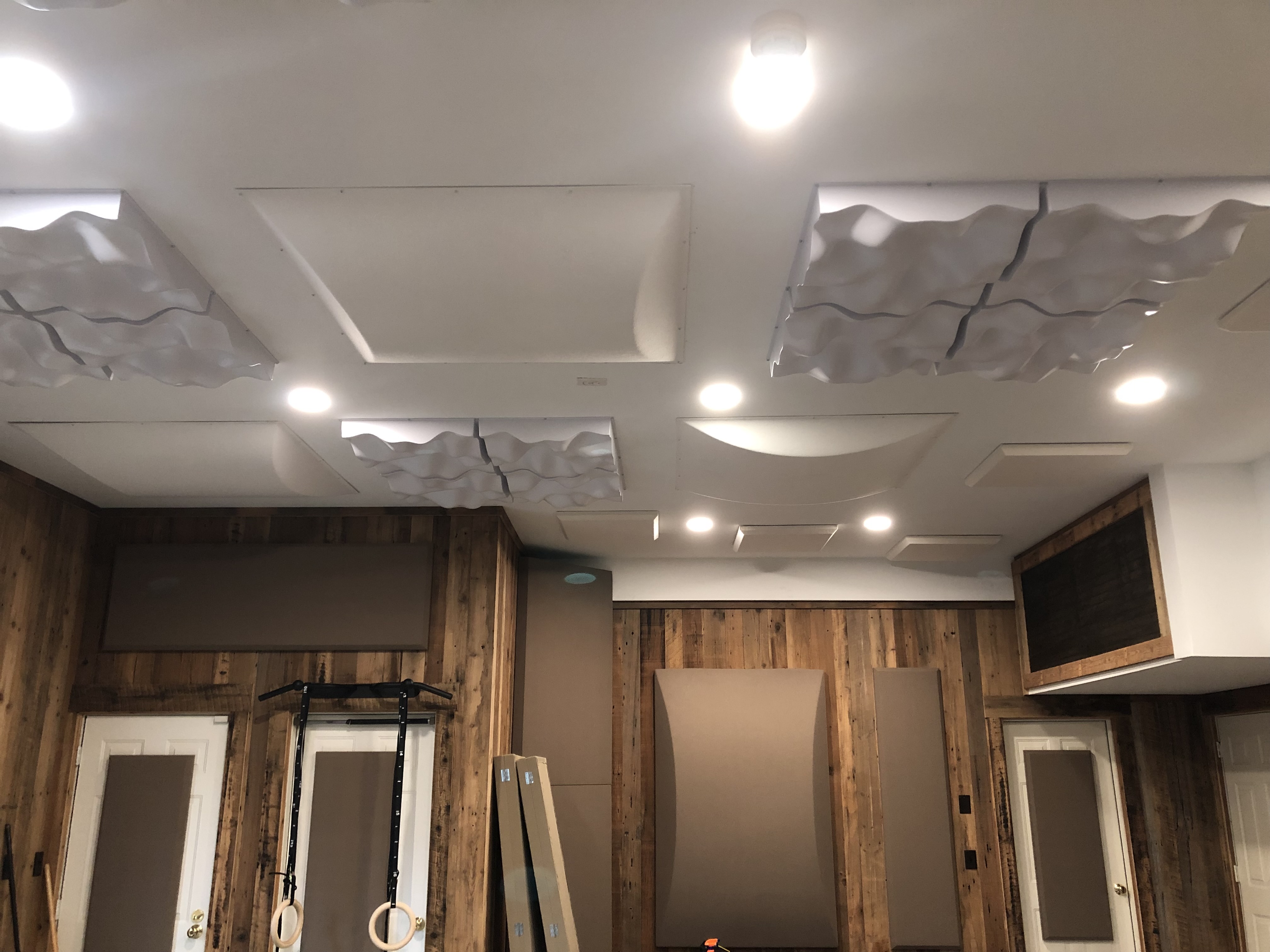
After the treatments were installed, John got right to work on experimenting…
“…ready to start doing extensive test recordings to locate the best spot and rug configuration for solo banjo… It sounds really good to my ear – now to see how the microphones hear it!”
John Bullard

Please check out John Bullard’s music!! – https://www.johnbullard.com/
NWAA Labs goes nuclear in Stereophile
Posted by Acoustics First in Articles, Company Information, Diffusion, Mentions on July 29, 2022
Ron Sauro of NWAA Labs talks about his massive test facility, speaker measurement, sound diffusion, and more in this article in the August 2022 edition of Stereophile Magazine.

In the article, there is mention of the advances that Jim DeGrandis and Acoustics First® have made in the understanding of diffusion, the developing standards for testing in the ASTM, and their published research into modelling/simulations for refining new acoustic materials.
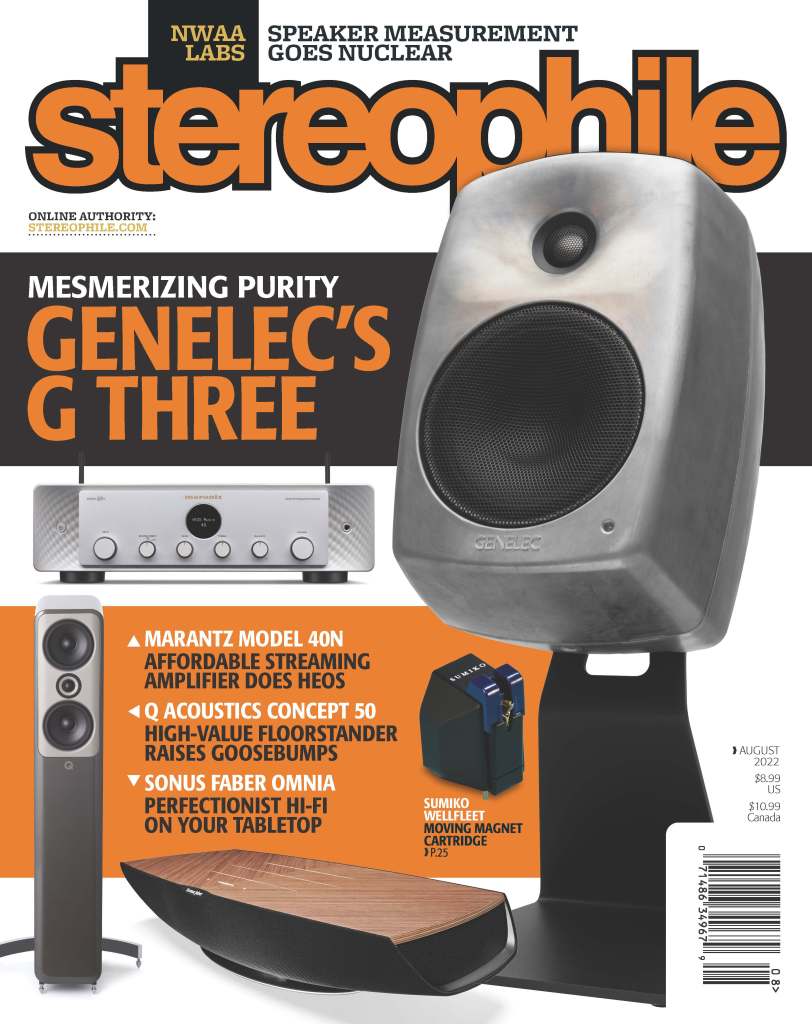
For more information about this edition, and other editions of Stereophile, visit them at https://www.stereophile.com/
Absorption & Diffusion – The Construction Specifier
Posted by Acoustics First in Absorption, Art Galleries, Articles, Auditorium, Broadcast Facilities, Diffusion, Home Entertainment, Home Theater, HOW TO, Industrial Facilities, Media Room, Multipurpose Rooms, Music Rehearsal Spaces, Offices, Product Applications, Recording Facilities, Studio Control Room, Teleconferencing, Theater on April 29, 2022
For the May 2022 edition of “The Construction Specifier,” Acoustics First was asked to illustrate the use of absorption and diffusion in creating optimal acoustic spaces. The article is a great reference for understanding the types of acoustic absorbers and diffusers, as well as some use scenarios like offices, critical listening spaces, and larger communal spaces.
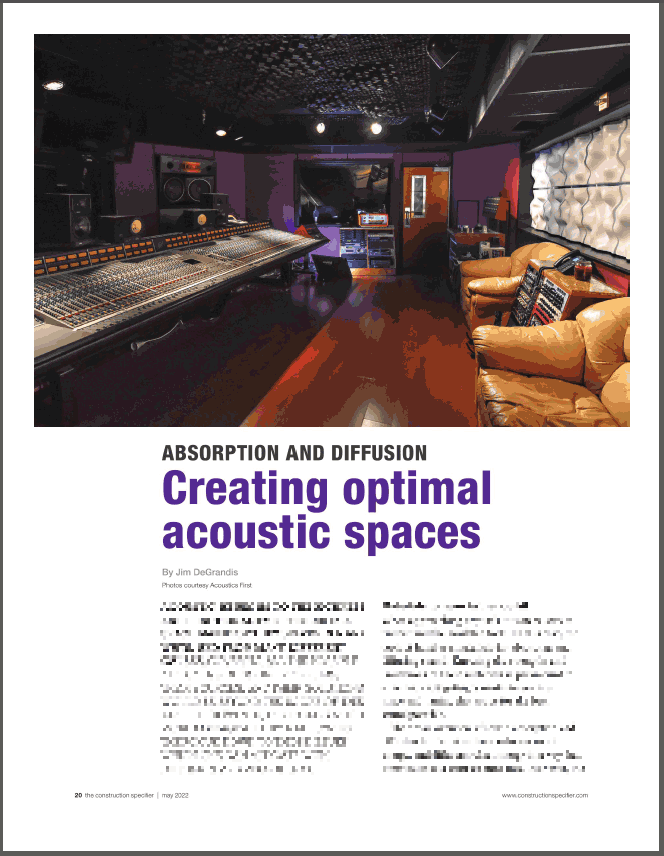
Note: This version has been edited and the advertisements are removed. The full published version of the May 2022 digital edition can be found on The Construction Specifier’s website here.
Sound Diffusion vs. Absorption in Worship Environments
Posted by Acoustics First in Absorption, Articles, Diffusion, Product Applications, Uncategorized, Worship Facilities on January 25, 2022
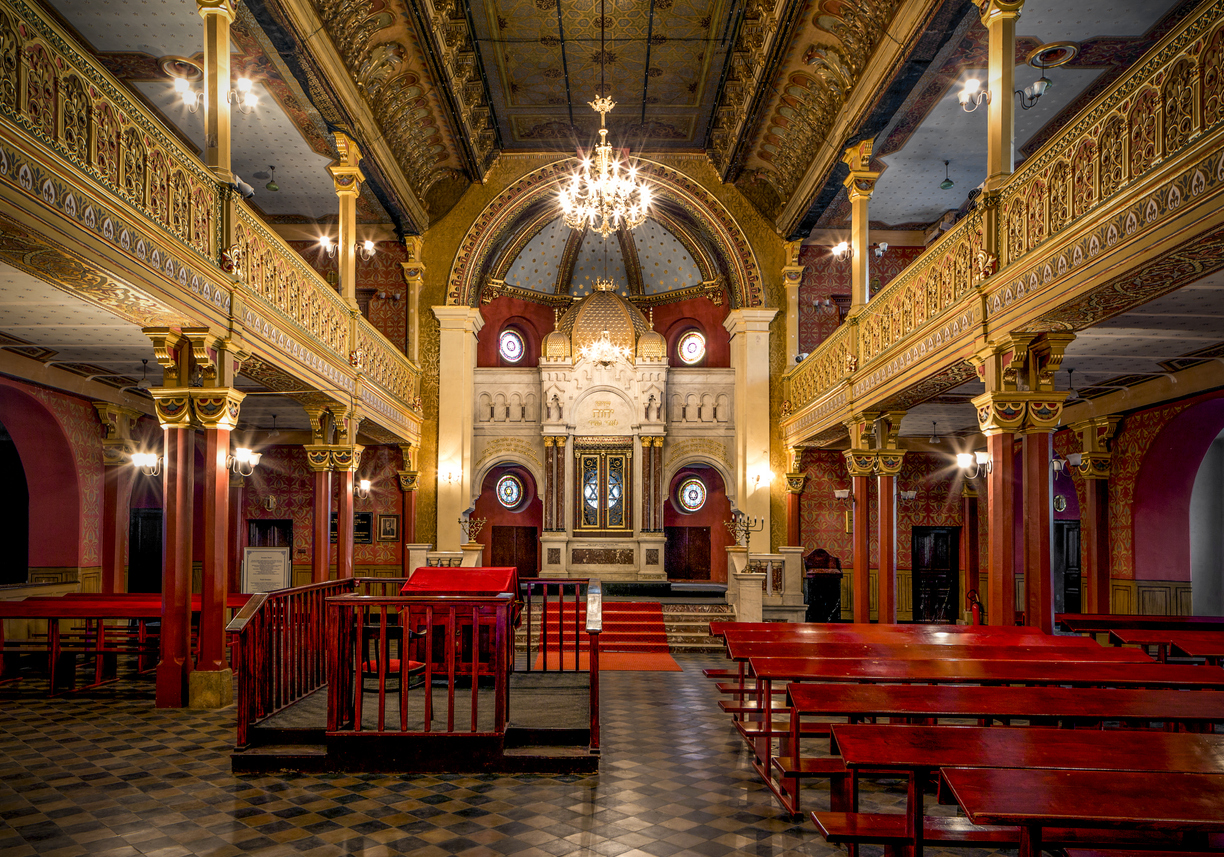
Cathedrals, mosques, synagogues and temples are often decorated with an abundance of architectural details (deep coffers, arches, columns, sculptures, intricate engravings etc.). These features are not only beautiful to look at, but also serve the vital acoustic purpose of sound diffusion. Large, uninterrupted spans of hard, flat surfaces reflect sound in a singular, specular wave, which creates discrete echoes and comb filtering (In acoustics, comb filtering is when a delayed reflection interferes with, and distorts the original sound wave). These conditions can contribute to an acoustically uncomfortable environment, in which speech is difficult to understand, and music can be hard to perform and enjoy. Irregular surfaces, on the other hand, scatter these reflections, minimizing comb filtering and distracting echoes. In a “diffused” worship environment, speech is intelligible, music is clear and warm, and there is a sense of envelopment which greatly enhances the congregants’ worship experience.
Absorptive treatment can also be used to control echoes and harmful reflections. Instead of redistributing reflections, these “fluffy” materials (drapery, padded pews, acoustic panels etc.) reduce the overall sound energy from the reflections in the room. However, using to too much sound absorption in a room can often make a space sound ‘dry’ or ‘dead’. Determining whether your space needs absorption, diffusion, or a combination of both is dependent upon the acoustic properties of the space, as well as the type of worship service being conducted.
Acoustic Properties of the Worship Space: Reverberation, a principle acoustic factor, is the sound energy that remains in a listening environment as a result of lingering reflections. The dimensions, construction materials, and furnishings of a given worship space determine its reverberation time (RT or RT60). Large halls with reflective materials (glass, wood, concrete) have longer reverb times, while small rooms with absorptive materials (drop acoustic ceiling, carpet, curtains etc.) will have shorter reverb times. Incorporating sound absorptive materials, Such as fabric wrapped acoustic wall panels, is often the best way to reduce the overall reverberation in a room to a suitable level. However, the target reverb time also depends on the nature of the worship service being conducted in a particular space.
Type of Worship Service: Ideal reverb times for worship environments vary widely. Non-musical, spoken-word worship requires a very short reverb time (.5-.8s range), ensuring that speech is intelligible. At the other end of the spectrum, cathedrals can tolerate an extremely long reverb time (2s and above) due to the traditional nature of their liturgy. Choir, organ and plainchant worship will actually benefit from longer reverb times that create a sense of ambience and spaciousness by sustaining musical notes. These spaces will often lack a sound system, and instead utilize the hard surfaces to propagate sound throughout the room.
Traditional worship may be enhanced by long reverb times, but contemporary worship requires a significantly shorter reverb time. In these environments, drums, guitars, bass and other amplified instruments are critical to the high intensity worship experience, but have far different acoustical needs compared to the choir and organ in a more traditional service. Contemporary “high impact” churches require a reverb time in the .8-1.3s range to ensure that the music won’t become too “muddy” and indistinct. Contemporary churches must also be more cognizant of late specular reflections (slap echoes) which can inhibit the timing of musicians and contribute to poor music clarity.
Let’s take a look a few common scenarios when it comes to treating traditional and contemporary worship spaces.
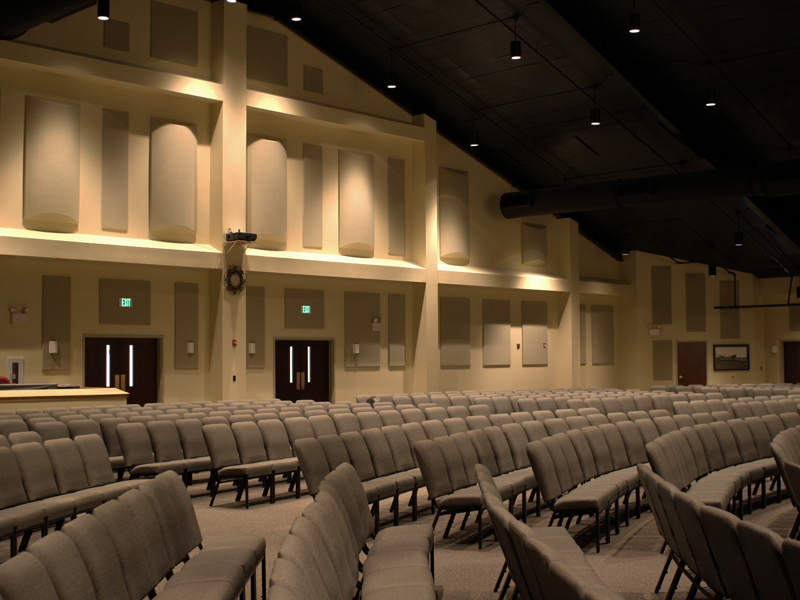
Scenario 1: Conversion from Traditional to Contemporary worship
A growing contemporary church moves into a larger, traditional sanctuary and is confronted by a raucous acoustic environment during their first rehearsal… This “live” space was perfect for traditional music, but is not conducive to a “high impact” contemporary worship service. To reduce the excessive reverberation and distracting echoes, sound absorption should be added to the rear wall (opposite stage) and side walls. Also, if using on-stage monitors, the stage walls should be treated to manage stage volume. Spot diffusive treatment that provides low-frequency absorption would also be beneficial. A good choice for this would be traditional ‘barrel’ diffusers. These are one of the oldest tried and true solutions for controlling bass issues in a performance space. Also, since these units function as both absorbers and diffusers, you get the benefits of both.
Scenario 2: Mix of Traditional and Contemporary worship services.
A worship facility decides to offer a contemporary service in addition to their traditional services… As more absorption is introduced to cut down on distracting reflections, we want to retain the envelopment and spaciousness which benefits congregational singing and traditional worship music. Sound diffusive treatment would be a great way to control echoes and specular reflections, while keeping the energy in the space. A mix of absorption and diffusion is usually best. Multipurpose spaces can also benefit from variable acoustic treatment which allows the room to “adapt” to each service, but that is a subject for another article.
Scenario 3: Poor Music Clarity in Traditional Worship space
A traditional worship space renovates their facility by adding thicker carpet, padded pews and a drop acoustic ceiling… All of a sudden, their once lively space feels “flat” and dull. Acoustic instruments are more anemic, less distinguishable and choirs have a difficult time blending and tuning. To “liven up” the space, replace sound absorptive materials with diffusers. For example, replace 1/3rd of the acoustic ceiling tiles with a combination of gypsum tiles and lay-in diffusers. These days, there are wide variety mid-range quadratic sound diffusers available for drop tile ceiling grids, as well as the more traditional barrel and pyramidal diffusers.
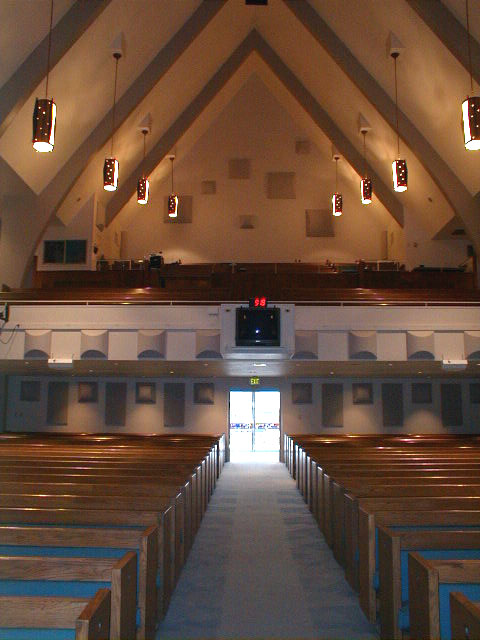
Sound diffusion can often seem a little mysterious compared to sound absorption. This is at least partly because sound diffusion is a more complex and multi-dimensional phenomenon compared to the more easily quantifiable sound absorption. However, sound diffusion is often times the missing piece of an acoustic puzzle: its benefits can help a bad room to sound good, or a good room to sound great!
 Acoustics First BLOG
You must be logged in to post a comment.