Archive for category Restaurants
Eat with your Eyes (and Ears): Acoustic Treatment for Restaurants
Posted by Acoustics First in Absorption, Products, Restaurants on March 21, 2025

When evaluating a restaurant, guests will often look at four factors: food quality, service, price point and atmosphere. The first three are fairly obvious in terms of how they influence the customers satisfaction, but the link between atmosphere and guest satisfaction is a bit murky.
Atmosphere is a sort of “catch-all” term for the various room and design elements that contribute to the overall experience of the patrons. “Atmosphere” is usually associated with visual elements, like lighting, table setting and decorations, but “atmosphere” can literally refer to the air in the room (is the restaurant properly ventilated, are there distracting smells from the kitchen?) or more functional/operating elements like the layout of the tables and, our focus in this article, sound management.
Sound Management – How many times have you been to a busy restaurant that is so loud you can’t hold a conversation with those at your table? It’s difficult to understand speech when background noise and reflections from other sources cover up new information. This causes patrons to elevate their voices to be heard, further exacerbating noise level issues.
Studies show that patrons spend more time and money at restaurants that properly address sound management, ensuring their guest don’t feel overwhelmed at peak hours. Key considerations include:
- Background music: Choose music that complements your restaurant’s concept. Adjust the playlist and volume based on the time of day and desired energy level—soft jazz for a relaxed dinner or upbeat tracks for a lively lunch.
- Comfortable conversation levels: Keep music and ambient noise at a volume that allows guests to speak without straining to hear each other. The right balance creates a welcoming buzz without becoming disruptive.
- Consider layout impacts: Open kitchens, high ceilings, or closely packed tables can amplify noise. Think about incorporating design features like partitions and high booths to help “break up” sound that is traveling from table to table.
- Acoustic design elements: Sound will build up most in spaces that have a lot of hard/reflective surfaces. Use sound-absorbing materials like acoustic panels to reduce reverberation/echoes and create a more intimate atmosphere.
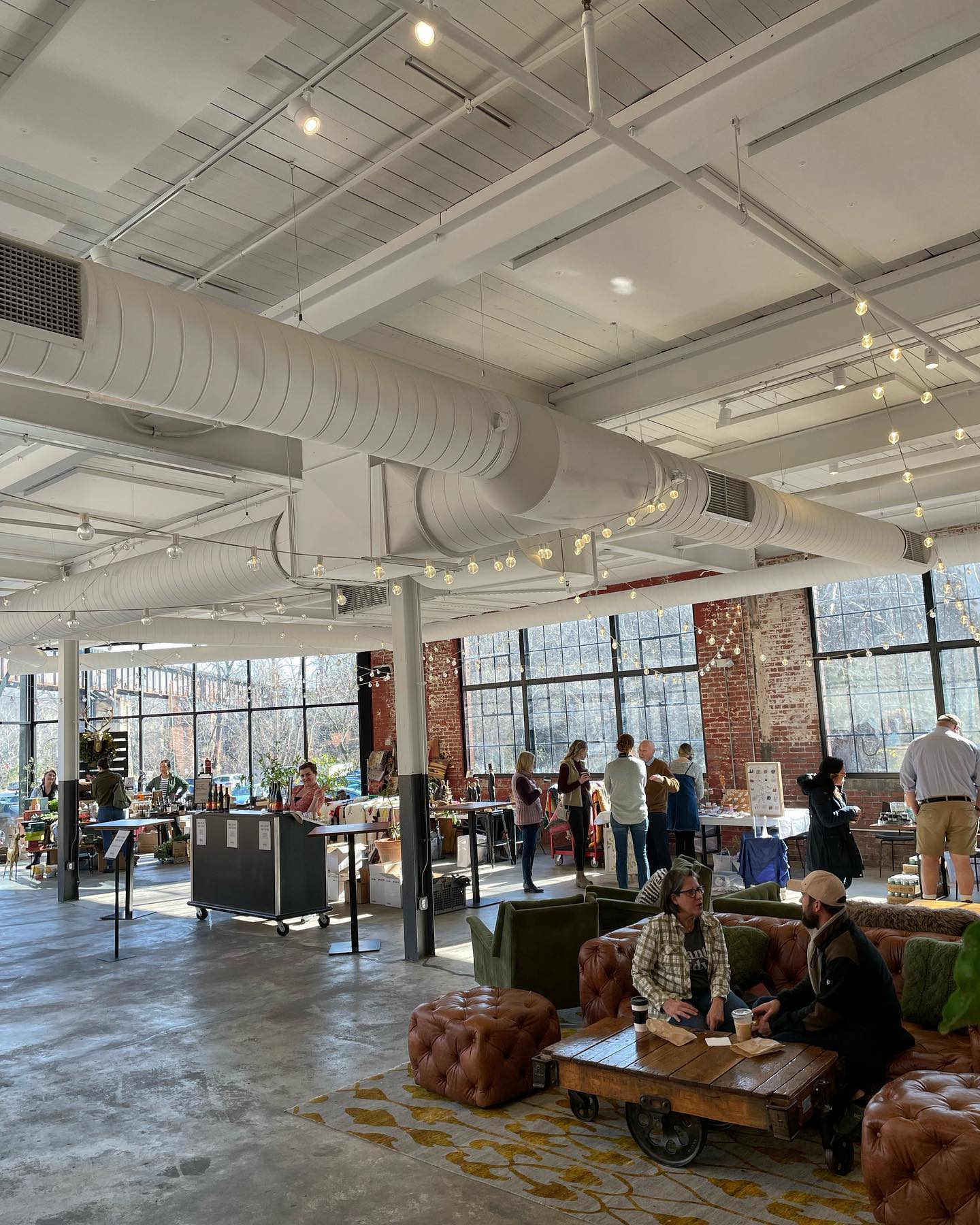
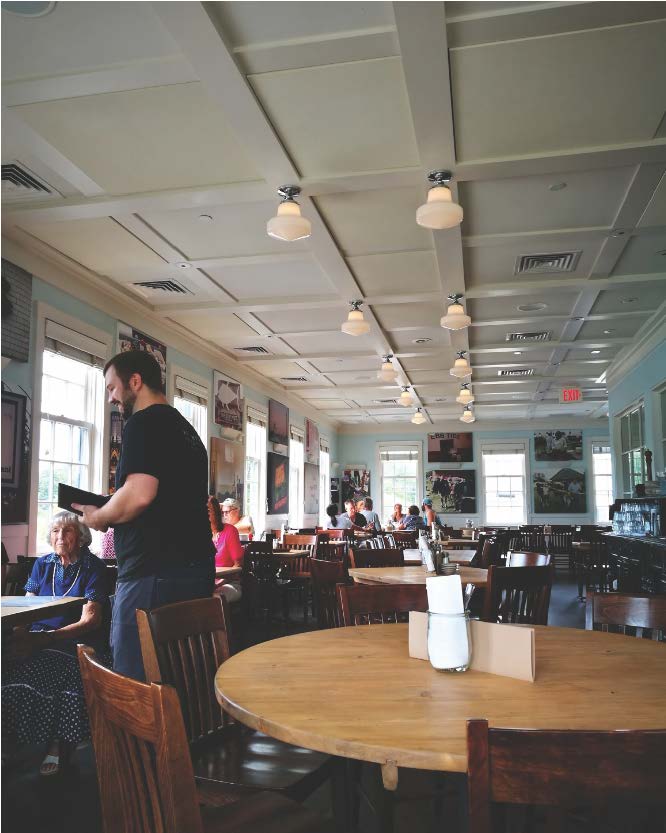
Tone Tile Panels – In restaurants, it’s especially important to minimize visually obtrusive acoustic treatment so it does detract or conflict with the carefully constructed aesthetic of the dining room. Tone Tiles are a perfect solution for restaurants that require “invisible” sound absorption as they can be field or factory painted to match the wall or ceiling color precisely. They also have a white, lightly textured surface that resembles drywall (Tone Tiles can be used as projector screens). Keep in mind, the more you paint an acoustic panel, the less sound reaches the absorptive substrate. We recommend light passes with water based paint to ensure the surface of the panel remains as acoustically “transparent” as possible
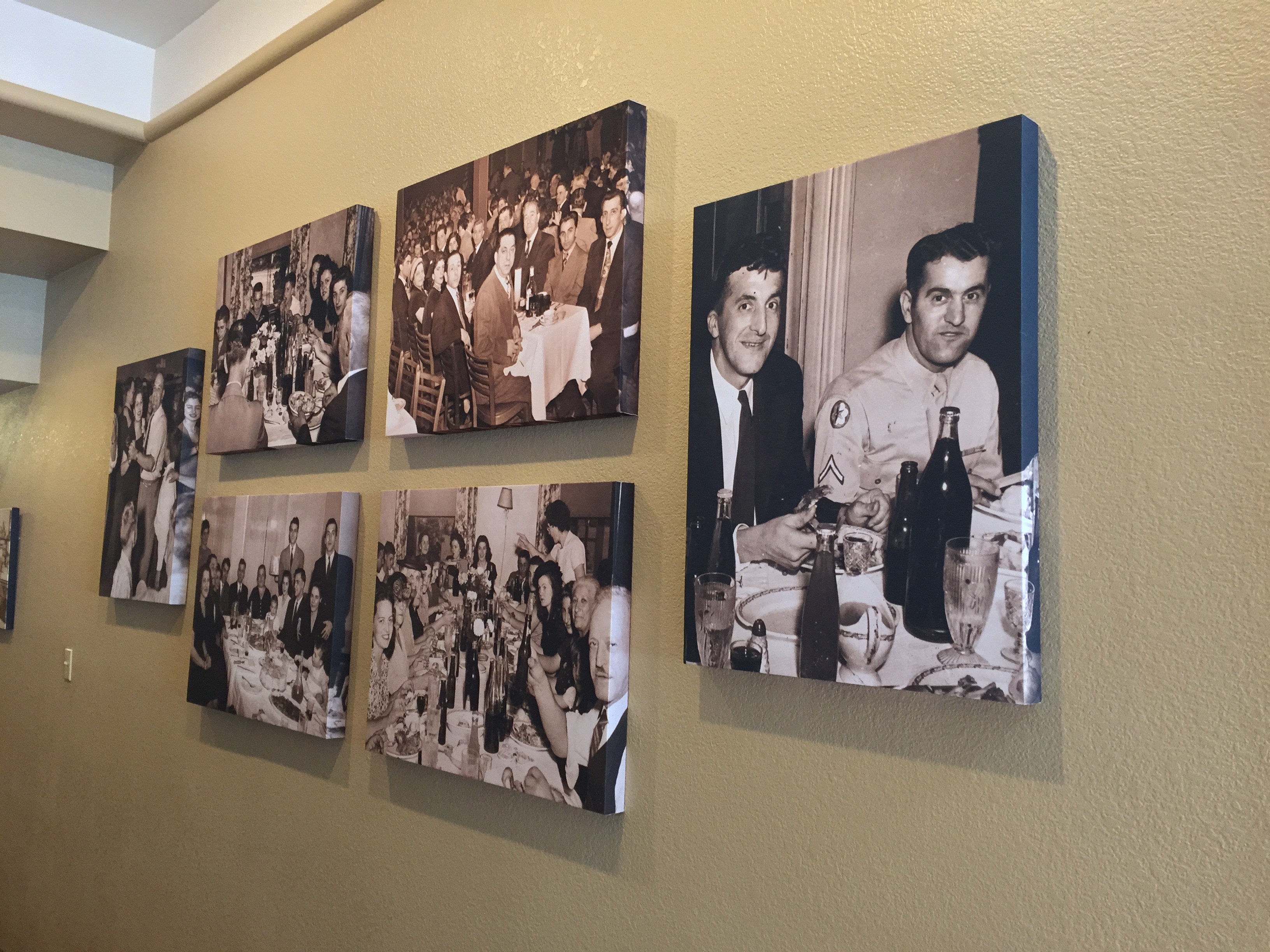
Silent Picture Panels – Another popular treatment option is our Silent Picture panels. Silent Picture panels can be wrapped with customer supplied artwork, images or branding. Restaurants love the double utility of full-color images and premium sound absorption.
Can’t I just put foam under the tables? We do not typically recommend acoustic material underneath restaurant tables. Treating the underside of tables will only “take the edge” off overall sound buildup, primarily attenuating sounds produced below the table (shuffling feet, chair slides, etc.). Sound absorptive treatment is much more effective when in the direct “line of sight” of primary sound sources. Also, installing acoustic foam or felt under tables, where it is likely to be picked at or possibly soiled, present durability and sanitary concerns.
We’ve all heard the expression that we “eat with our eyes”; if the meal is not appealing to look at… it is less pleasing to eat. However, we also “eat with our ears”; if the environment is not conducive to comfortable conversation, then the customer will leave with a bad taste in their mouth, even if the food quality and service is exceptional.
Project: Dogfish Head Brewing & Eats + Reading a Spectrogram
Posted by Acoustics First in Absorption, Customer Feedback, Product Applications, Products, Restaurants on February 12, 2024
Dogfish Head Brewing & Eats is a brewery, restaurant and performance venue located in Rehoboth Beach, DE. This largely reflective space has a wood ceiling, an un-polished concrete floor and walls comprised of drywall, unfinished wood planks (over OSB) and glass. These hard surfaces promote reverberation and early reflections, resulting in a noisy and “muddy” sounding environment.

Acoustics First and Integrity Sound Solutions were brought in to provide solutions to remediate noise level and clarity issues.
The co-owners of Dogfish Head Brewing & Eats and their house engineer identified a few goals for acoustic treatment…
- Reduce “background” noise as levels in excess of 85dBa were common on busy nights. Under these conditions, the sound engineer would push the sound system above 95dBA to maintain music intelligibility. This results in an acoustically uncomfortable environment for patrons and wait staff (which in turn elevate their voices to be heard, further exacerbating noise level issues).
- Control excessive reverberation and latent reflections to improve live-music clarity.
- Minimize visually obtrusive acoustic treatment, particularly on the main wood ceiling.

Acoustics First recorded numerous sine sweeps using the house system (JBL line array and subs) and a calibrated Zoom H4 recorder as the receiver. The sweep was recorded from a number of positions (in front of stage, main dining area, in front of the bar and from the mezzanine level). The following charts are spectrograms of two of these sweeps. Spectrograms are a visual way of representing sound intensity (volume) across a range of frequencies. We can observe how energy levels compare between frequencies and see the response of the speakers and the room at these frequencies over time.
The spectrograms of the sine sweeps show that the house system is very good at producing the full spectrum of frequencies, which gave us more confidence in our analysis.
Reading the Spectrogram – The thickest sweep line (furthest right) is the direct speaker output and the thinner sweep lines are harmonic resonances of the speakers; you’ll notice these bands get further apart as we move up in frequency. The thickness of the sweep, showing sound intensity over time, represents the extent of early reflections. For example, a sweep recorded in an anechoic chamber would have very tight lines.
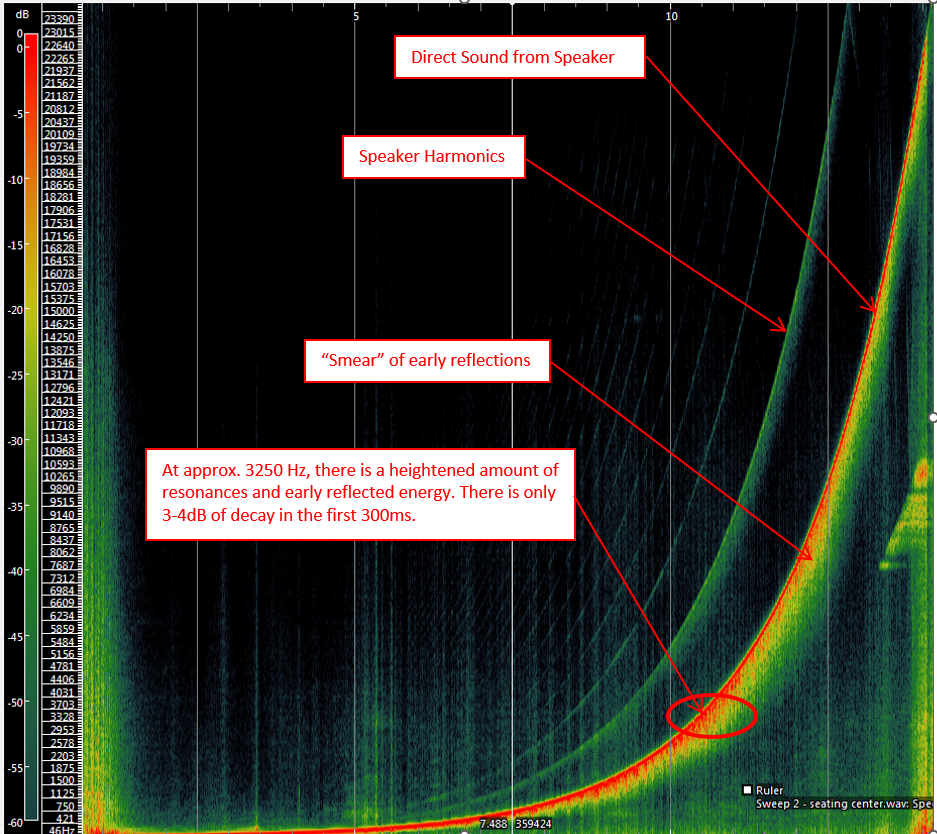
The first 6dB of early reflections are the most distracting because of their intensity. Reflections arrive slightly late, but at the same frequency, create a “smear” of sound. The faster they decay (<100ms) the more focus you have on the direct source. As you can see, low and mid frequencies stay extremely elevated for the entire 100ms, resulting in a muddy, undefined sound.
Reverberation Time – Measurement & Analysis:
Reverberation Time (RT60) is a metric that is defined as the time it takes for sound to decay 60 decibels (dB) in a room. This is a very important metric for medium-to-large room acoustics as it dictates how well a room will perform for speech and music applications. Generally, a large room with abundant hard surfaces will have a long reverb time. Surfaces that have sound absorptive qualities, like carpet and acoustic panels, reduce reverberation.
Bars/restaurants of this size with live music should have a reverberation time below 1.2s, ideally in the .6-.8s range for “high-intensity” performances, like Rock, Hip Hop or Electronic Dance Music.
We recorded a balloon pop and the subsequent reverb tail and calculated the reverb time based on the decay rate. The results were as follows.

RT60 measurement of 1.656s was recorded at the center of the room. Although this measurement is shorter than initially expected, it is still excessive given the use of the space.
Reverb Prediction:
We entered the dimensions, construction materials and furnishings of the restaurant into our acoustic calculator and made a prediction of reverb times before and after treatment. The modeled “existing” reverberation time and the measured RT60 results we took on-site were very close @ 2000Hz, which gives us confidence in the acoustical model. This means we can add acoustical treatment to the model and accurately predict the results before any changes are made to the actual room and it shows how much improvement you can expect from the recommended treatment.
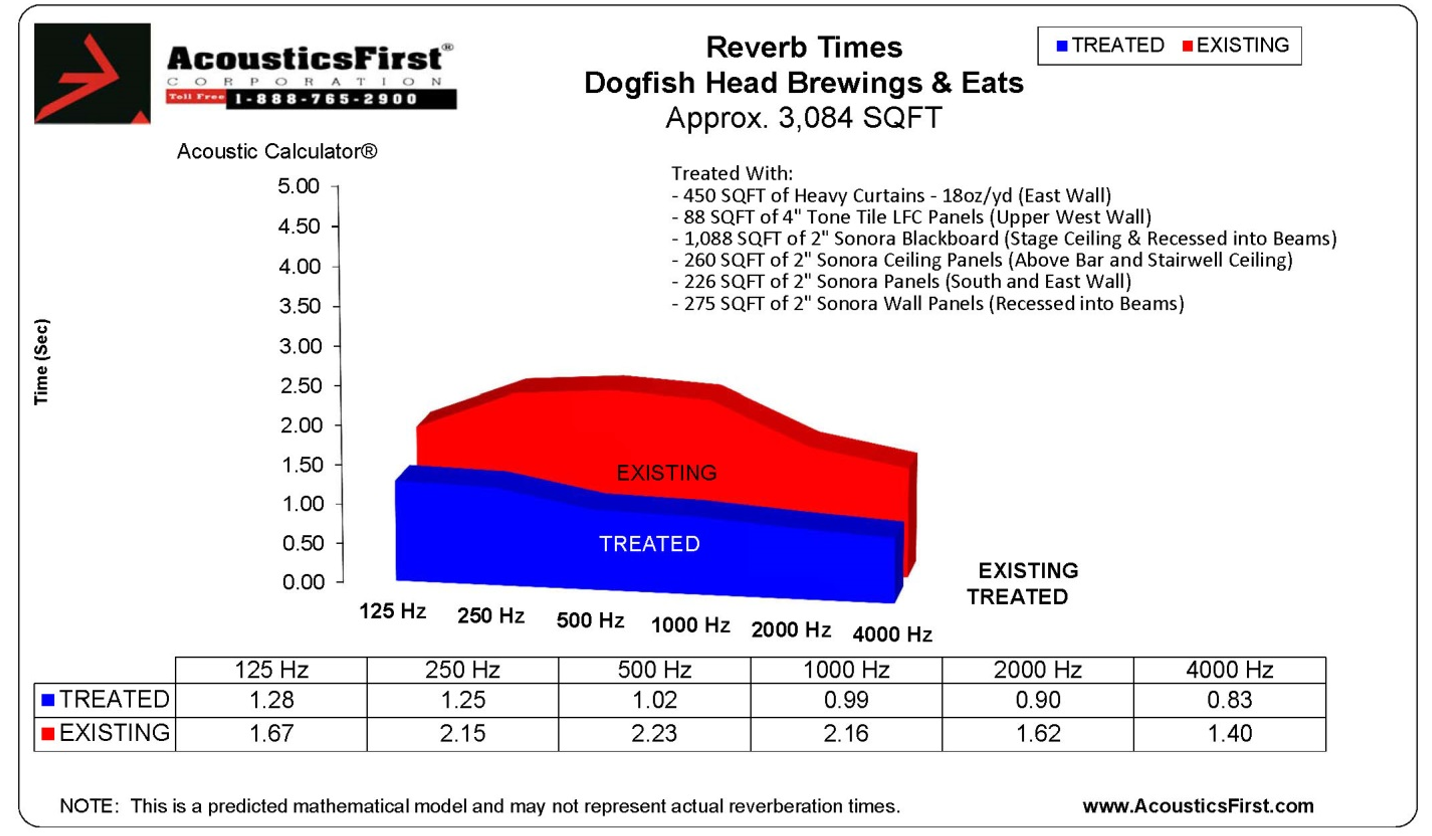
As you can see, the treated result in the model is within our target RT60 (.6-1.2s) for amplified live-music, resulting in a more suitable performance environment. This treatment would also significantly reduce noise buildup (in a well-treated room, customers and staff will not feel like they have to shout to be heard), further helping control noise levels.
To minimize the amount of visually noticeable treatment, Acoustics First specified fabric wrapped Sonora Panels (http://acousticsfirst.com/sonora-wall-panels.htm) and factory-painted Tone Tiles panels ( https://www.acousticsfirst.com/acoustic-tone-tile-panels.htm) to match the exact wall color. Acoustics First also recommend Sonora Blackboard https://www.acousticsfirst.com/sonora-black-board.htm to “fit” within the metal beams.
Most of the sound absorptive treatment was broad-band in nature. However, Low-Frequency Control (LFC) panels were utilized on the stage wall (behind the line array) to combat the early bass reflections that degrade low-frequency definition. LFC panels are a specialized absorber that focuses squarely on attenuating low-frequencies, below 250 Hz. View our website for more information – https://www.acousticsfirst.com/sonora-lfc.htm
As you can see from the pictures, Integrity Sound Solutions did amazing job with the installation.

What does the client think? Per the co-owners “The sound quality is exponentially BETTER…. The stuff in the beams just disappears!”
Scoop up some Fireflex™ Waves
Posted by Acoustics First in Absorption, Product Applications, Products, Restaurants on June 6, 2023

Ice cream shops are often places with acoustic challenges. Some have large glass windows, glass freezers, compressors, and other equipment… Let’s not forget all the patrons and excited children! In retail environments like these, good acoustics are important for accurate order taking, customer comfort, and safety concerns. These spaces also require Class A fire rated materials to meet many local fire codes.

The high ceilings were an easy place to put some acoustic treatment without interfering with the activities of the shop and Fireflex™ Waves were an ideal solution. The ceiling-mount Waves can be installed in either a cloud (horizontal) or baffle (vertical) configuration. In this particular space, the perpendicular baffle installation was the most efficient use of the Waves, and their Class A fire rated Fireflex™ material is also easy to cut in the field – which was handy when they had to work around an I-beam.
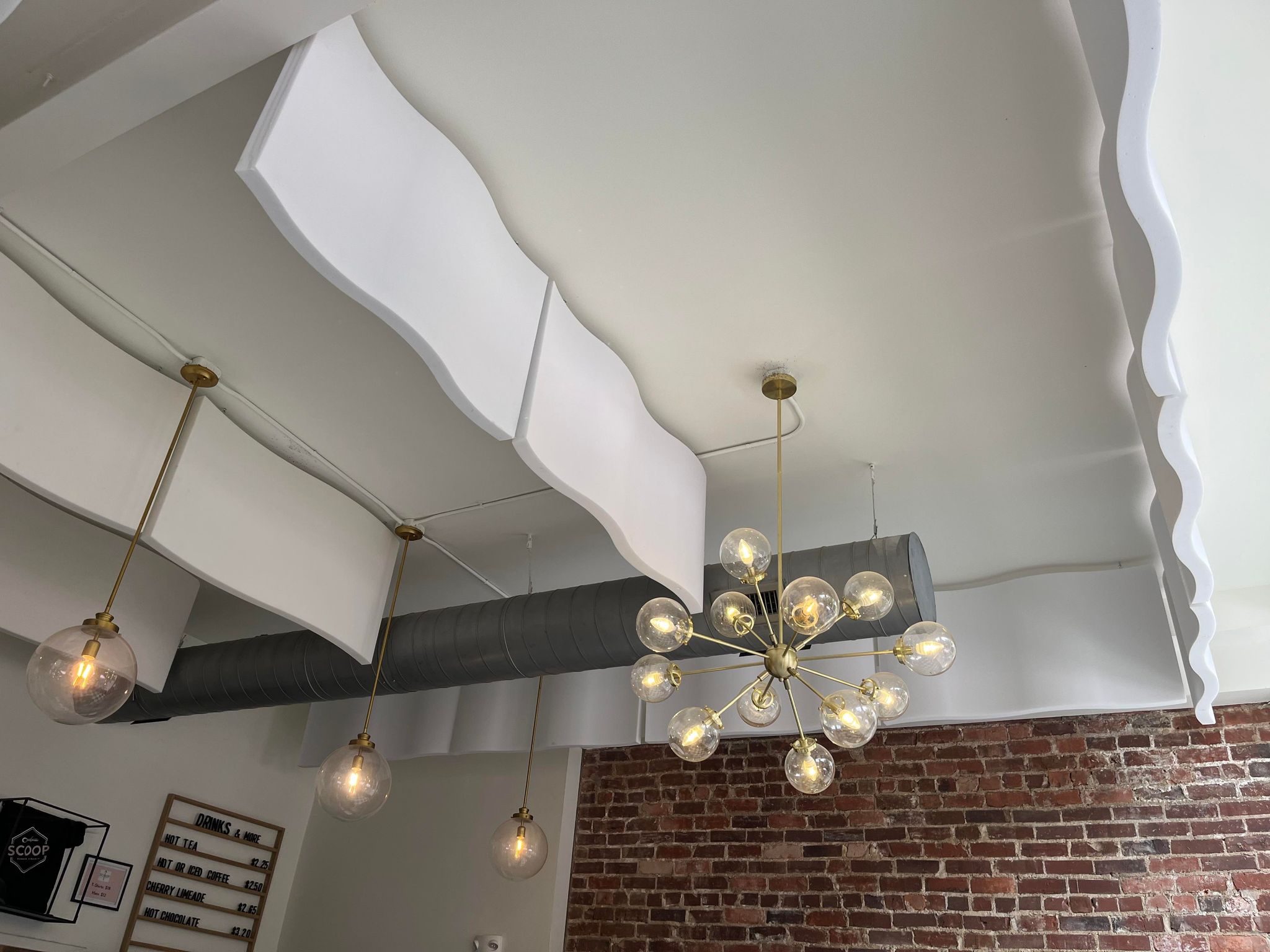
If you have an environment that needs acoustic treatment, reach out to Acoustics First® online or at 888-765-2900.
Treating a reclaimed space: Tone Tiles®
Posted by Acoustics First in Absorption, Multipurpose Rooms, Product Applications, Restaurants on December 30, 2022

Reclaiming historic spaces and updating them for modern functions is a bit of a balancing act. Often, the aesthetics of the space are tantamount, and should be minimally impacted by the materials and methods used to bring them up to modern standards. Acoustic treatments are no exception, and it is usually best if the materials blend into the space – or at least don’t detract from the overall “vibe.”
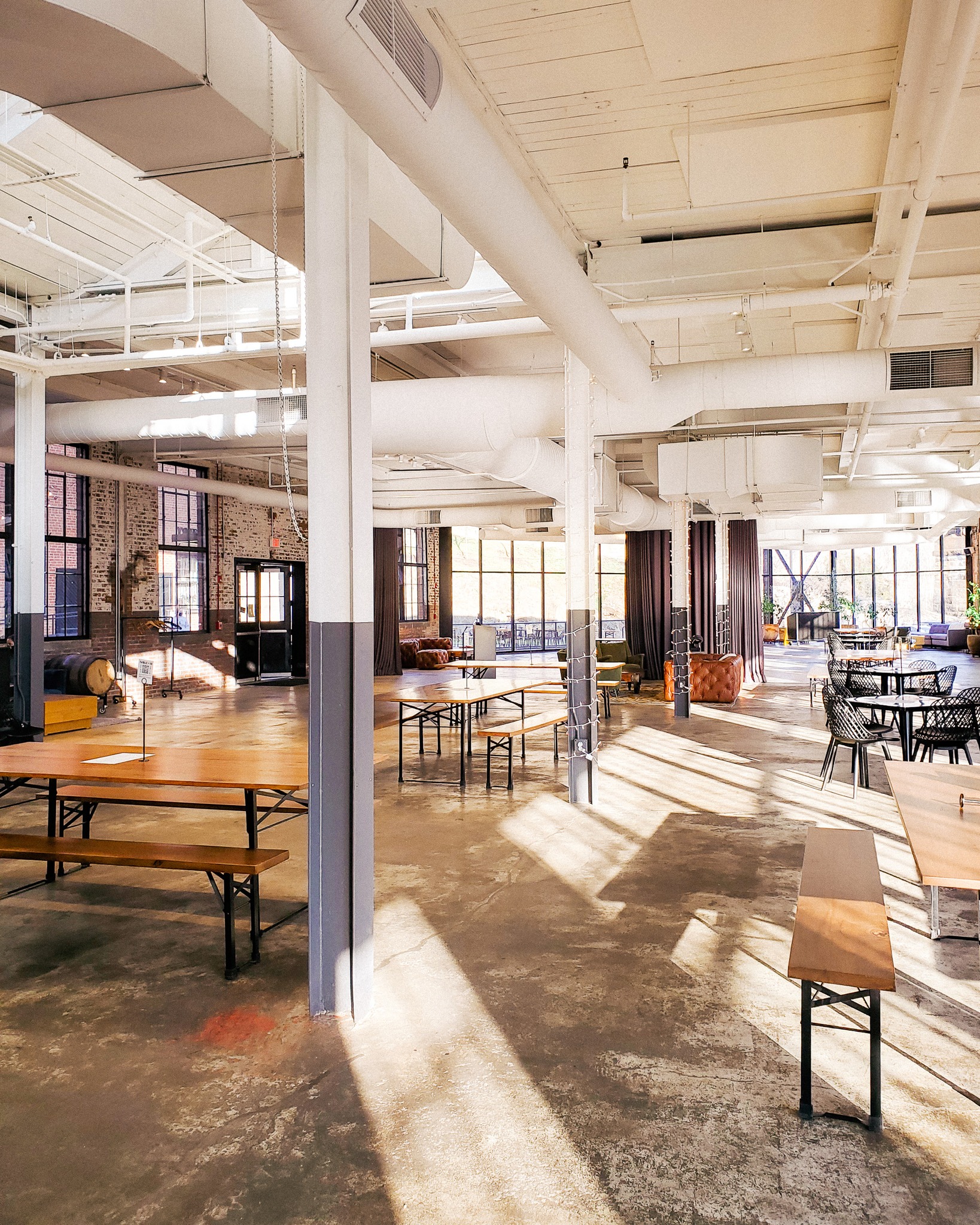
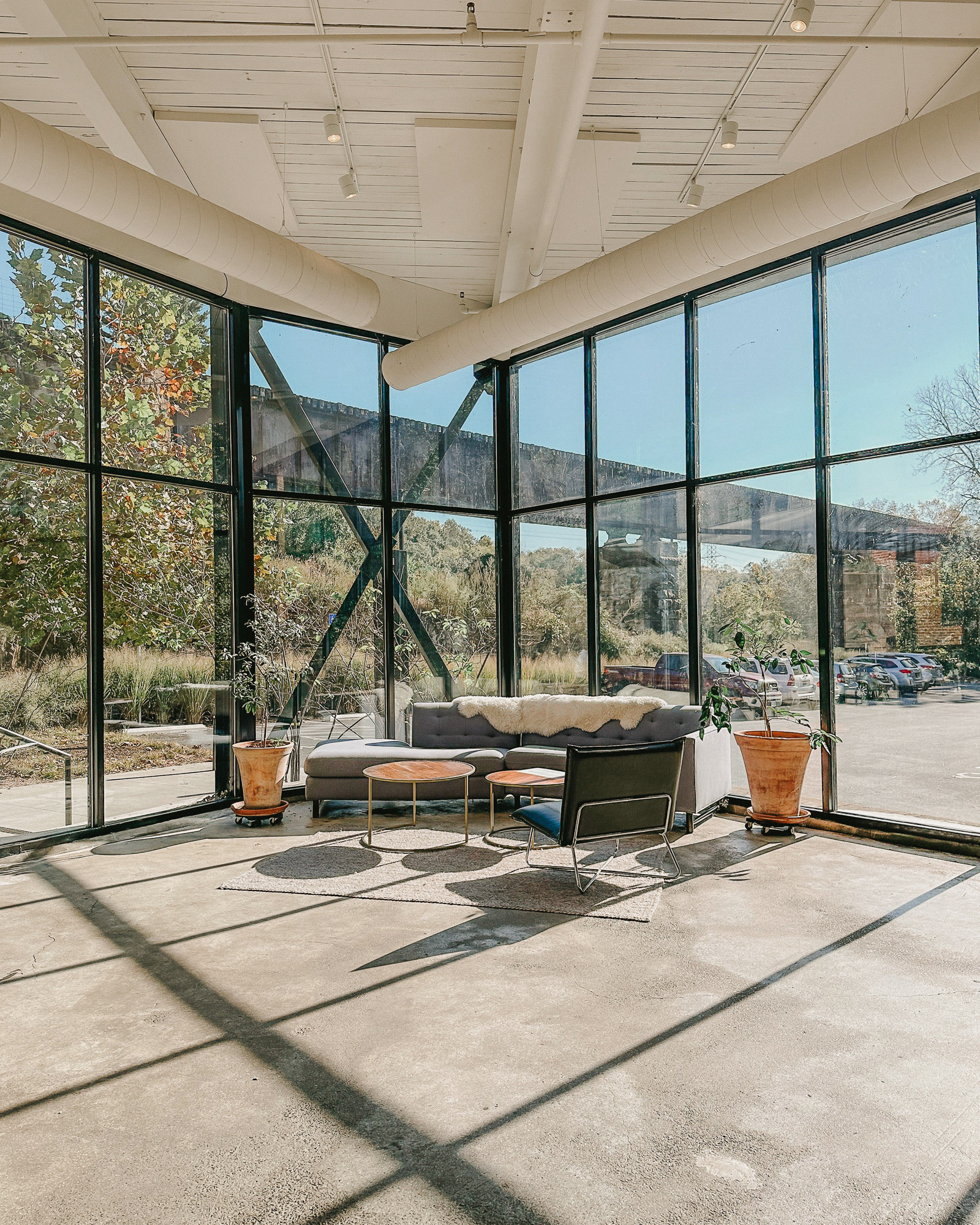
When this old factory was converted into a multi-function space with a restaurant and brewery, there were concerns about the build-up of sound. As is often the case, the rustic patina of the concrete and brick surfaces were a focal point in this space, leaving the ceiling as the primary treatment location.

The solution was to install 2″ Tone Tiles® directly to the ceiling. This solution allowed for the sound build-up to be absorbed, while blending into the whitewashed ceiling structure. The rustic charm of the room was maintained, while having a modern, intimate acoustic profile, which is more conducive to gatherings and functions.
Sonora® Wall Panels on the Ceiling?
Posted by Acoustics First in Absorption, HOW TO, Product Applications, Products, Restaurants on February 25, 2022
Sometimes you just don’t have the wall space for acoustic treatment. When this is the case, you will often see treatments move to the ceiling… but what do you do if you have lower ceilings, or many ceiling fans and fixtures?

This ceiling was sloped toward the massive windows on the outside wall, and it had lights and fans running right up the center. Complicating things further, the opposite wall had sconce lighting, doorways, HVAC, and even more windows. Finally, the floor was not carpeted to facilitate cleaning – as is the norm in many dining spaces.
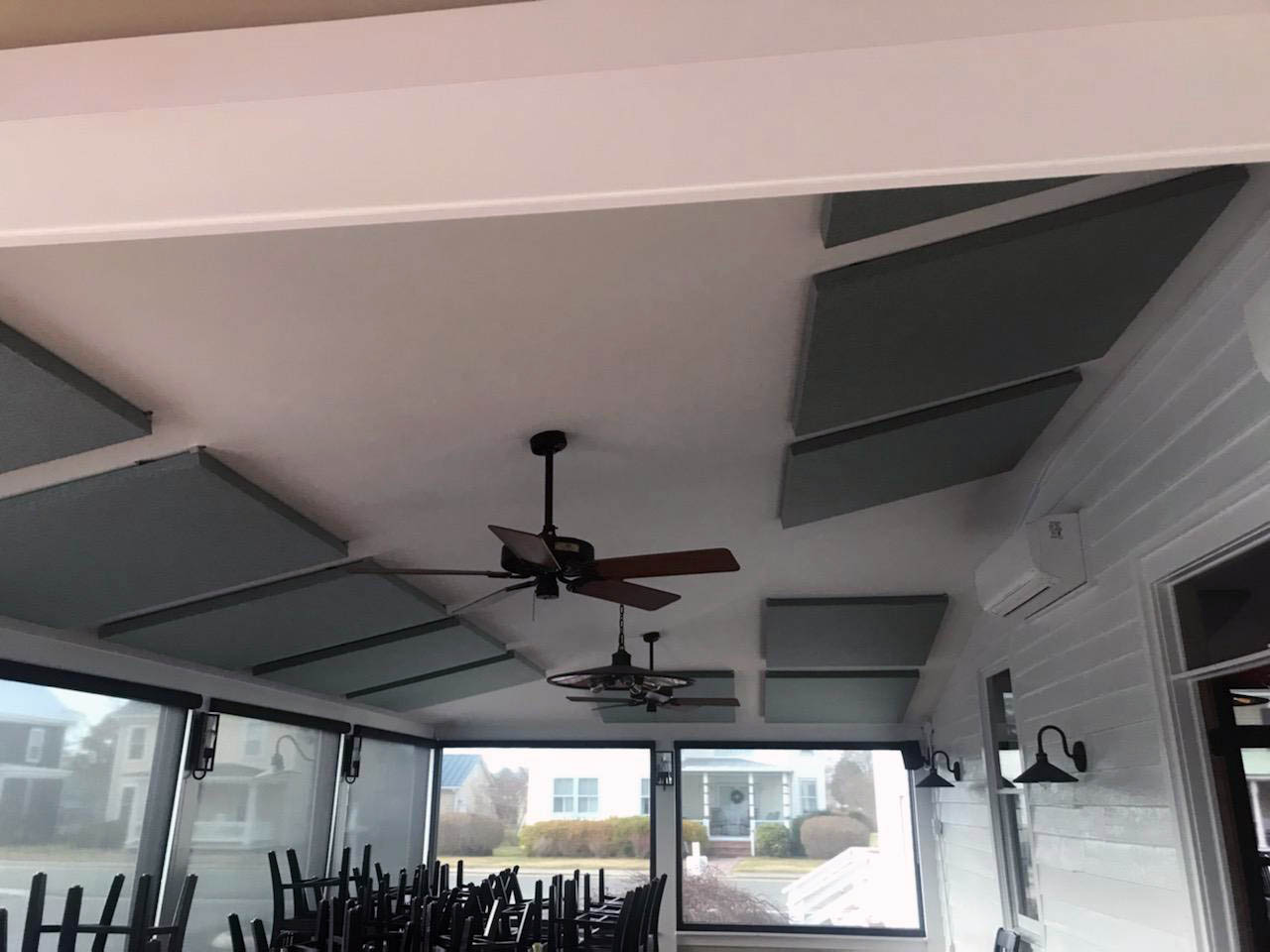
Direct-mount acoustic panels are a great solution in these scenarios. Here we see an array of 4’x4’x2″ Sonora® panels attached to the ceiling in rows running down the length of the space. While our Tone Tiles® are often selected for their ability to blend in aesthetically, this particular installation proves that Sonora® panels wrapped in fabric are also a solid choice.
 Acoustics First BLOG
You must be logged in to post a comment.